Designing the Systems That Enable Business Growth
A practical way to improve the systems, processes and technology behind your business so it can scale without creating operational problems
Explore Solutions
Why Growing Businesses Need Better Systems
Every growing business reaches a point where the infrastructure may fail should the ambition of growth continue to evolve quickly. Revenue is climbing, teams are expanding, and new markets beckon – but operational cracks may begin to show. Growth Architecture is the process of identifying these problems and strengthening the systems and technology that support the business.
We take a structured approach, reviewing the business across four key areas to understand where improvements to systems, processes and platforms will have the greatest impact.
What’s Working
Identifying the strengths already delivering results – the assets, processes, and teams that form a solid foundation worth protecting and building upon.
What’s Stretched
Pinpointing the systems, roles, and resources under pressure – the areas that function today but may struggle at the next stage of growth.
What’s Disconnected
Revealing the gaps between systems, data flows, and decision-making layers.
What’s Challenging
Finding the systems and processes that are slowing the business down and taking up too much leadership time
We look at the business across four key areas to understand where the systems, processes and technology need strengthening.
The Growth Architecture Approach
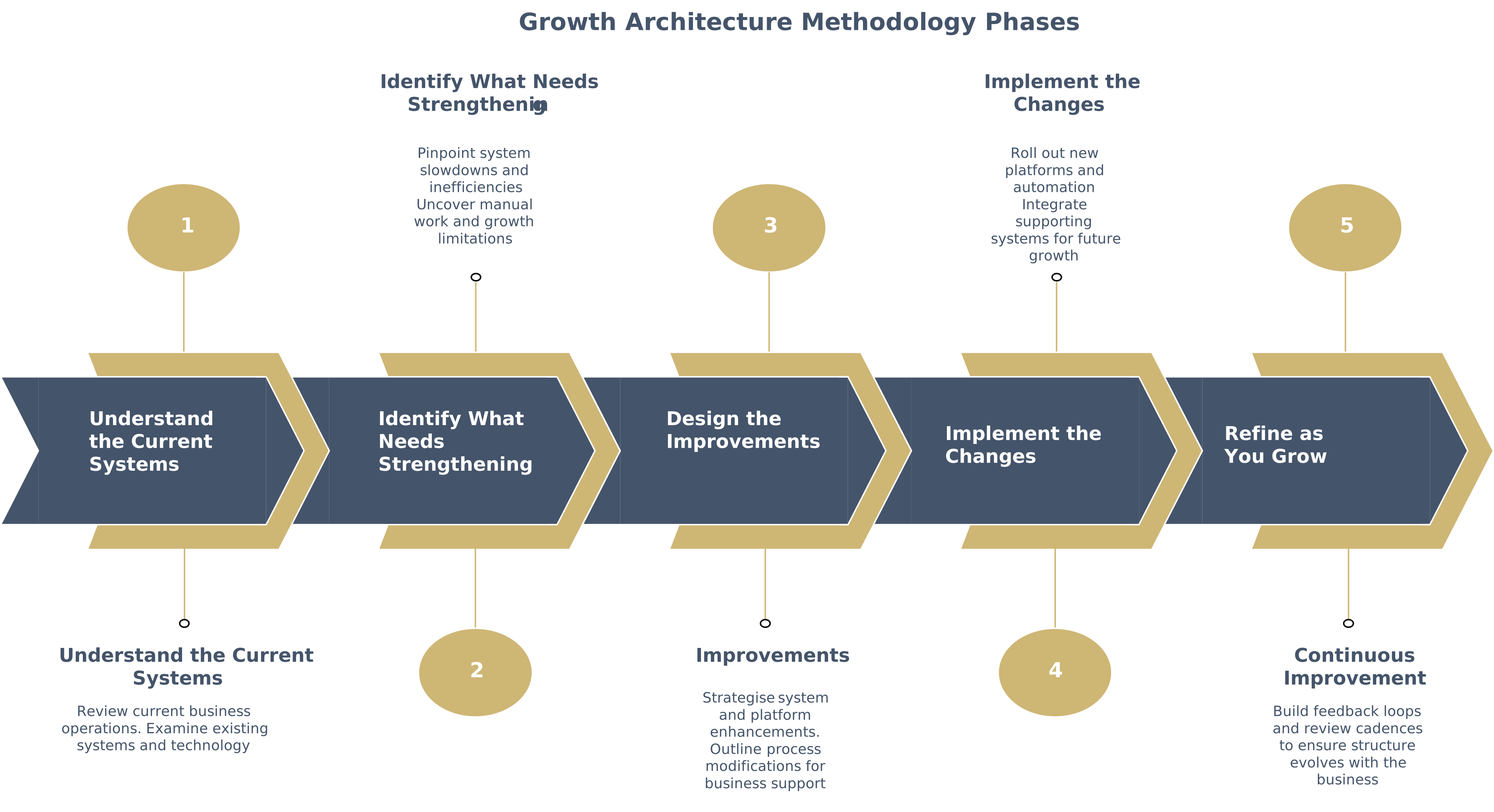
Growth Architecture follows a clear sequence of steps, with each stage improving the systems and technology that run your business.
It’s a practical process focused on strengthening the CRM, automation, platforms and operational systems behind your business.
The goal is to move your business from the way it operates today to a setup that can support the next stage of growth.
1
Understand Your Current Systems
We start by reviewing how your business currently operates. This includes the systems you use, how information flows through the business, and where processes rely on manual work. We determine what is working well and where the systems behind the business are beginning to struggle.
2
Make Sure Systems Support the Direction
As businesses grow, technology decisions are often made quickly. New tools are added, processes evolve and different systems begin to overlap. We review whether the systems supporting the business still match where the company is heading. Where they don’t, we identify what needs to change.
3
Strengthen the Systems That Run the Business
As revenue increases, the systems behind the business need to keep pace. CRM platforms must manage more clients. Processes must support a larger team and automation becomes essential to remove manual work. This stage focuses on improving the systems and processes that keep the business running smoothly.
This work is planned. Each improvement strengthens the systems behind the business so it can support the next stage of growth
What This Changes
When the systems behind a business are strengthened, the impact is felt across the organisation.
Information becomes easier to access and processes run more smoothly.
Work was once manual effort becomes automated. The result is a business that is easier to run and better prepared for the next stage of growth.
Clear Priorities
When systems provide better visibility, it becomes easier to see what matters most and what needs attention first.
Decisions are based on reliable information rather than guesswork.
Sequenced Implementation
Improvements are introduced in a clear sequence so the business continues to operate smoothly while systems evolve. Changes strengthen the business without disrupting what already works.
Joined-Up Systems
CRM, automation, platforms and operational tools work together.
Information flows properly across the business instead of sitting in disconnected systems.
Less Duplication
Manual tasks, duplicated processes and overlapping tools are reduced.
The business runs more efficiently and teams spend less time repeating work.
Less Firefighting
Stronger systems reduce the day-to-day issues that consume time and attention. Leaders and teams can focus on improving the business instead of constantly fixing problems.
Less Duplication
Improved systems reduce duplicated work and unnecessary manual tasks.
With stronger systems in place, the business can grow without creating operational strain
This is the difference between companies that grow fast and companies that grow well.
Building the Infrastructure for Scalable Business Growth
Growth Architecture works alongside Structural Maturity.
Structural Maturity helps us understand how well the systems behind the business are currently working.
Growth Architecture is the process we use to improve those systems.
Together they provide a practical way to understand where improvements are needed and then implement the technology and processes that support the next stage of growth.
Structural Maturity
Structural Maturity helps us assess how prepared the business is for growth.
It looks at the systems, processes and operational structure that support the organisation today, identifying where things are working well and where they need strengthening.
Growth Architecture
Growth Architecture is how those improvements are delivered.
It focuses on designing and implementing the systems, platforms and automation that allow the business to operate more efficiently and scale with confidence.
How It Works Together
Structural Maturity helps us understand where the systems behind the business need strengthening.
Growth Architecture is how we design and implement those improvements.
Together they provide a clear path from understanding the current systems to building the technology and processes that support long-term growth.